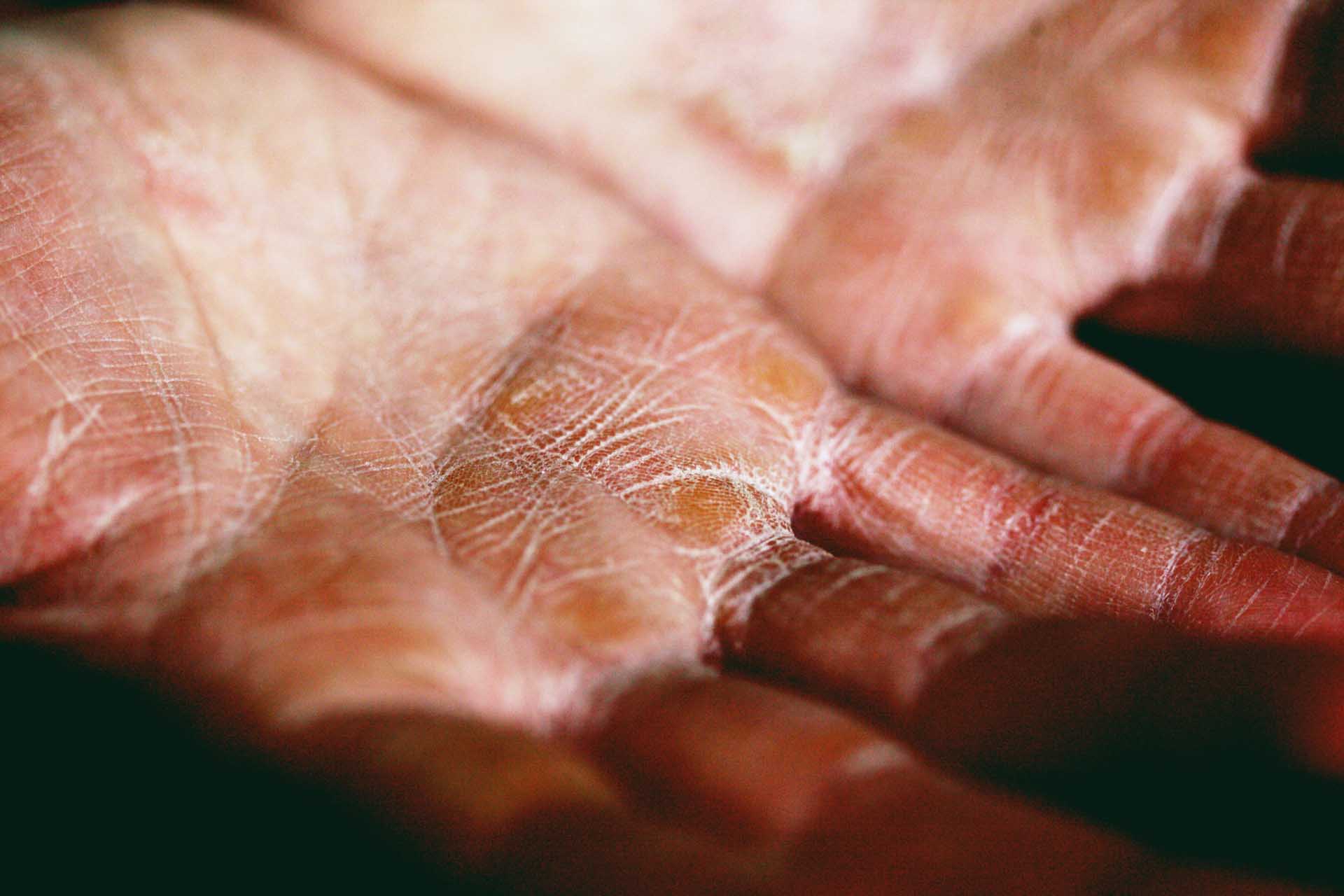


Understanding the Effects of Stress on Eczema: A Holistic Perspective
Eczema, a chronic skin condition characterized by inflammation, redness, and itchiness, affects millions worldwide. Although there are various triggers, one often underestimated factor that significantly impacts eczema flare-ups is **stress**. While many people are familiar with the emotional toll of stress, its physiological effects on skin conditions like eczema remain less widely understood. In this article, we’ll delve into why stress can make eczema worse and explore holistic approaches to managing stress to support healthier skin.
The Link Between Stress and Eczema
When the body encounters stress, it activates a response system known as the **hypothalamic-pituitary-adrenal (HPA) axis**. This system triggers the release of cortisol, a hormone designed to help the body respond to stress. However, in chronic stress situations, cortisol levels remain elevated, which can lead to various health issues, including compromised immune function, inflammation, and even skin barrier dysfunction—all of which can aggravate eczema.
For individuals with eczema, this cascade of hormonal reactions creates a perfect storm for flare-ups. The skin becomes more susceptible to environmental irritants, allergens, and even infections. Here’s how stress directly impacts eczema:
1. **Increases Inflammation:** Chronic stress can elevate inflammation in the body, which exacerbates eczema’s inflammatory nature. High cortisol levels weaken immune response, allowing inflammatory proteins to overpopulate. This inflammation manifests in the skin as itching, redness, and swelling, hallmark signs of an eczema flare-up.
2. **Weakens the Skin Barrier:** The skin barrier, which protects us from environmental toxins and allergens, is compromised by stress. Stress reduces the production of natural lipids in the skin, decreasing moisture levels and weakening its protective layer. This makes it easier for irritants to penetrate, further worsening eczema symptoms.
3. **Affects the Gut-Skin Axis:** Stress can impact gut health, which is intricately linked to skin health through the **gut-skin axis**. When stress disrupts the balance of gut bacteria, it can lead to dysbiosis, or an imbalance of beneficial and harmful bacteria. This imbalance can contribute to systemic inflammation, increasing the likelihood of eczema flare-ups.
4. **Influences Nervous System Reactions:** Stress also activates the sympathetic nervous system, often referred to as the “fight or flight” response. In this heightened state, the body becomes hypersensitive, and for eczema sufferers, this can lead to an increase in skin itching and discomfort. This itching-scratching cycle can easily spiral into a full-blown flare-up.
Breaking the Cycle: Managing Stress for Eczema Relief
While it may be impossible to eliminate all sources of stress, there are various techniques and holistic approaches that can help manage it more effectively, reducing the impact on eczema. Here are some key strategies to consider:
1. **Mindfulness and Meditation**
Practicing mindfulness can help to regulate the body’s stress response, minimizing cortisol spikes and reducing inflammation. Studies have shown that regular meditation can lower stress levels and improve mental well-being, which is particularly beneficial for individuals dealing with eczema.
2. **Breathwork**
Simple breathwork exercises, such as deep diaphragmatic breathing, can activate the parasympathetic nervous system, which helps calm the mind and reduce stress. Practicing slow, controlled breathing for just a few minutes each day can make a significant difference in managing stress responses.
3. **Sleep Hygiene**
Poor sleep exacerbates stress and inflammation. Establishing a consistent sleep routine—going to bed and waking up at the same time daily—can help improve sleep quality, which supports both the immune system and skin health.
4. **Adaptogenic Herbs and Natural Supplements**
Certain adaptogens, such as ashwagandha, holy basil, and reishi mushroom, help the body adapt to stress by balancing cortisol levels and supporting adrenal health. Consult with a healthcare practitioner to find the right herbal support tailored to your specific needs.
5. **Nutrition and Hydration**
A diet rich in anti-inflammatory foods, including omega-3 fatty acids (found in fish oil and flaxseeds), leafy greens, and antioxidant-rich fruits, can help combat the effects of stress-induced inflammation. Staying well-hydrated is equally important, as dehydration can weaken the skin barrier.
—
The Benefits of a Holistic Approach to Eczema and Stress Management
Treating eczema effectively often requires a comprehensive, holistic approach. Traditional Chinese Medicine (TCM) views skin conditions like eczema as signs of imbalance within the body. TCM considers the role of the mind and emotions, understanding that stress not only affects mental well-being but also has physical repercussions.
In TCM, the liver is often associated with emotional regulation and the smooth flow of Qi, or vital energy, throughout the body. When stress disrupts this balance, it can contribute to eczema flare-ups. Acupuncture, herbal therapies, and dietary adjustments aimed at harmonizing the liver and calming the mind can be powerful tools in reducing stress-related eczema symptoms.
—
Embracing Stress Management as a Part of Eczema Care
It’s clear that stress management is essential for those dealing with eczema, as the emotional and physical responses to stress directly impact skin health. By prioritizing a holistic approach—one that includes mindfulness, balanced nutrition, adaptogenic herbs, and supportive therapies—eczema sufferers can cultivate resilience against stress and reduce flare-ups.
If you’re struggling to manage stress and notice that it triggers your eczema, you’re not alone. A personalized care plan can help you develop effective coping strategies, improve skin health, and regain control over flare-ups. Working with a practitioner skilled in holistic dermatology can provide the support and resources you need to effectively manage stress and eczema in tandem.
—
Taking the First Step Toward Relief
Stress is a complex factor, but when approached with intention and support, it’s possible to minimize its impact on eczema. By incorporating natural strategies, a healthy lifestyle, and practices like meditation and TCM, you can take significant steps toward managing stress and improving your skin health.
Remember, your journey toward clearer skin and reduced stress doesn’t have to be walked alone. Professional guidance can make a difference in finding effective and sustainable solutions tailored to your unique needs. Embrace the power of holistic healing and regain balance both inside and out.