

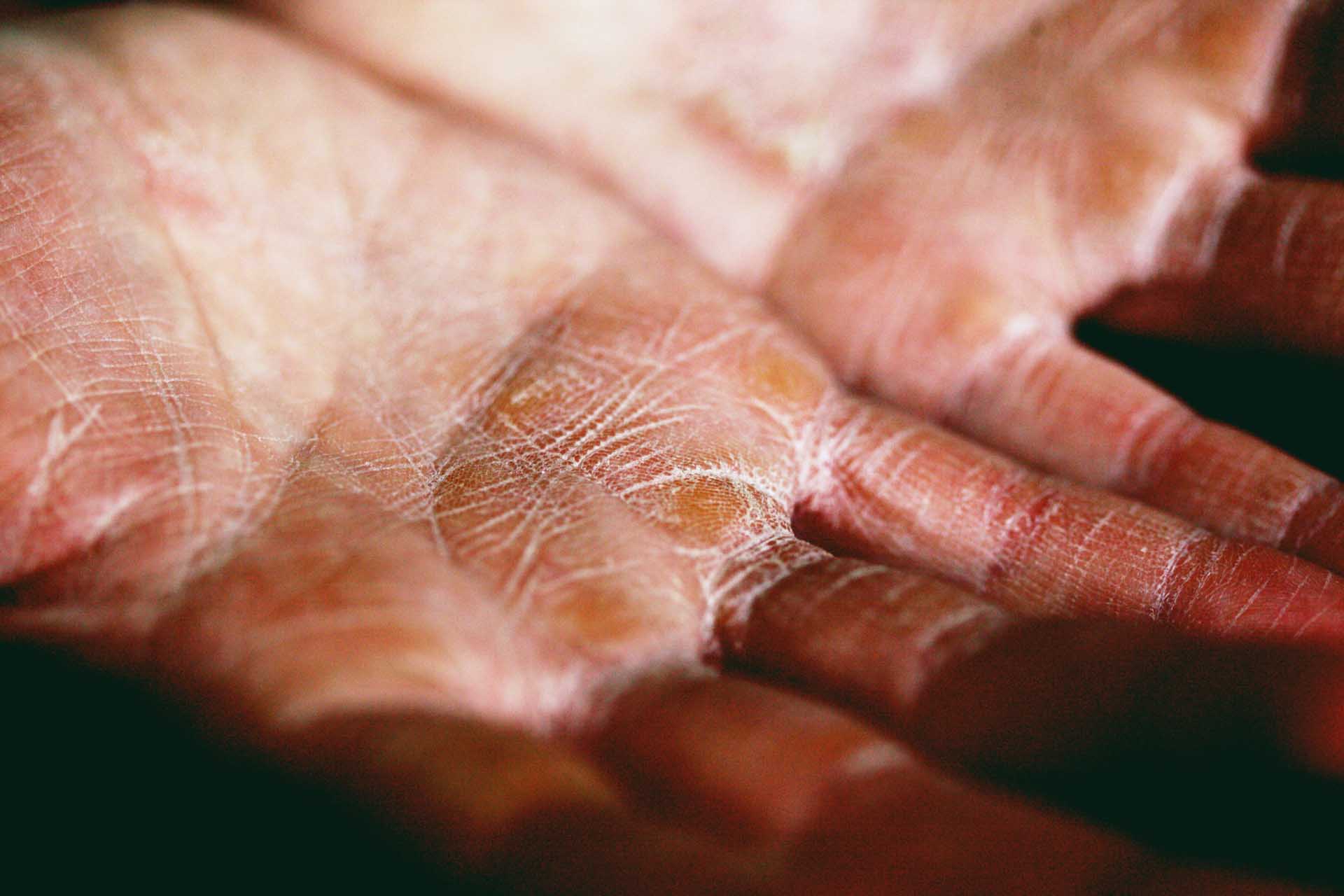
Living with chronic eczema is more than just dealing with itchy, inflamed skin. It’s an ongoing challenge that affects not only your body but also your mind and emotional wellbeing. Understanding and addressing the mental aspects of eczema is just as important as treating the physical symptoms.
The Emotional Impact of Eczema
If you’re living with eczema, you may experience a range of difficult emotions:
- Frustration from dealing with unpredictable flare-ups
- Embarrassment about the appearance of your skin
- Anxiety in social situations
- Guilt about not finding the “right” solution
- Exhaustion from disrupted sleep and constant discomfort
These feelings are completely normal. The constant cycle of itching, scratching, and inflammation can wear down even the most positive person. Many patients report that the emotional burden sometimes feels heavier than the physical symptoms themselves.
Simple Mindfulness Practices to Reduce Anxiety During Flare-Ups
While working with your doctor on a treatment plan is essential, these practical mindfulness techniques can help manage the emotional side of eczema:
1. Basic Breathing Exercise
When you feel stress or anxiety building (which can trigger flare-ups):
- Inhale slowly through your nose for 4 seconds
- Hold your breath for 7 seconds
- Exhale completely through your mouth for 8 seconds
- Repeat 3-5 times
This simple technique activates your body’s relaxation response and can be done anywhere, anytime.
2. Mindful Awareness of Itching
When the urge to scratch becomes overwhelming:
- Pause and take a deep breath
- Notice the sensation without immediately scratching
- Describe the feeling to yourself without judgment (“There’s warmth and tingling on my arm”)
- Apply your prescribed moisturizer or medication instead of scratching
This practice helps break the automatic itch-scratch cycle that can damage your skin and worsen symptoms.
3. Daily Gratitude Practice
At the end of each day, write down:
- One thing your body did well today, despite eczema
- One moment when you managed your symptoms effectively
- One person or thing you’re grateful for
This simple habit shifts focus away from frustration and toward positive aspects of life that eczema cannot take away.
Simple Steps to Start Your Mental Wellness Plan
- Talk to your dermatologist about how eczema affects your emotional wellbeing
- Try one mindfulness technique from this article daily for one week
- Keep a simple journal tracking both physical symptoms and emotional responses
- Be patient with yourself – emotional healing takes time, just like skin healing
- Connect with others who understand through support groups or online communities
Looking Forward
Remember that eczema is a medical condition, not a personal failing. By addressing both the physical and emotional aspects, you can develop a more complete approach to managing your symptoms.
Many patients find that as they develop better emotional coping strategies, they experience less stress, which can lead to fewer or less severe flare-ups. While mindfulness won’t cure eczema, it can help break the cycle of stress and inflammation that makes symptoms worse.
We invite you to share your experiences in the comments below. What mental strategies have worked for you? How do you maintain a positive outlook during flare-ups? Your insights might be exactly what another reader needs today.
This blog post is for informational purposes only and is not a substitute for medical advice. Always consult with your healthcare provider about your eczema treatment plan.

