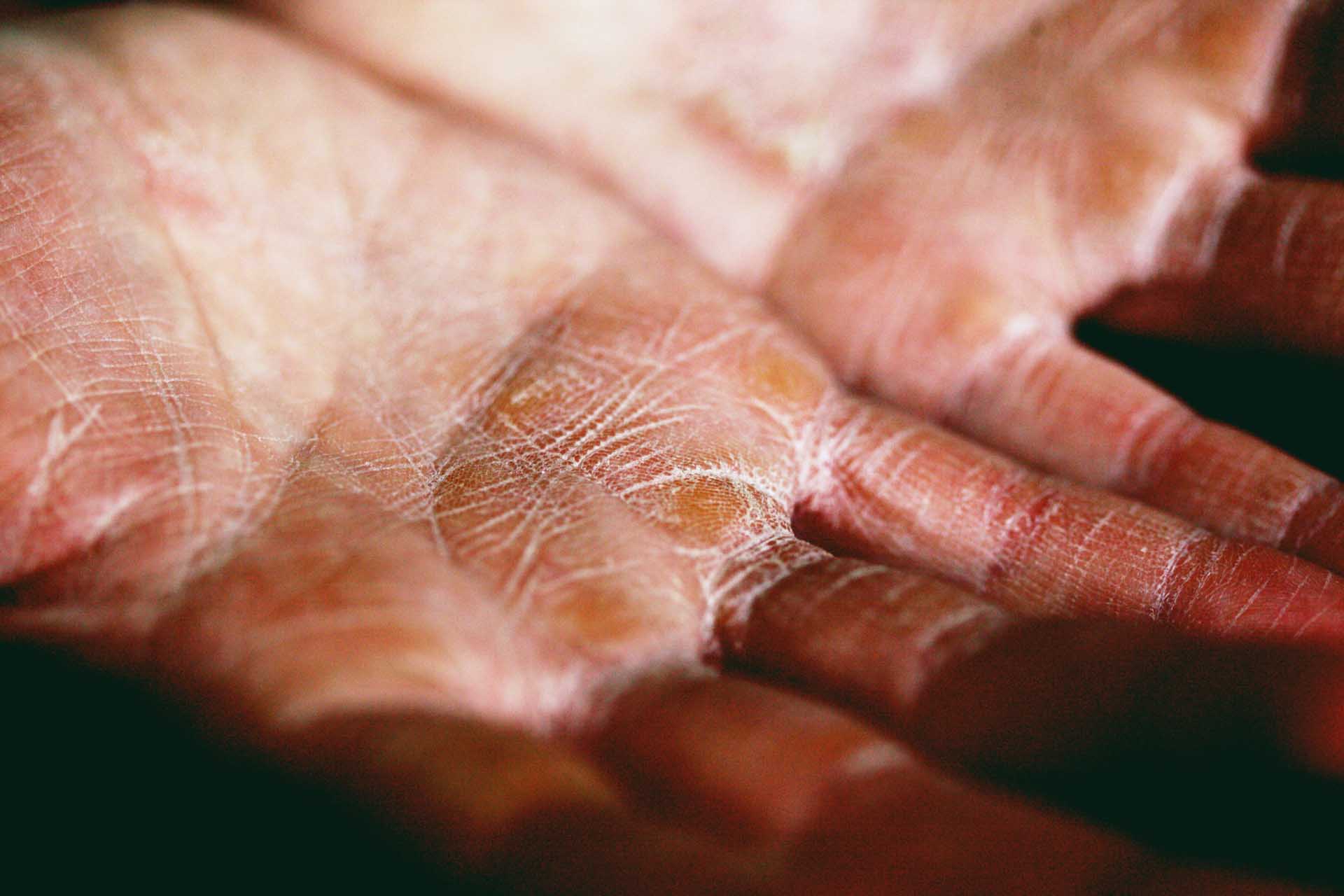


In holistic dermatology, it’s well understood that the health of your gut is directly connected to the health of your skin. When skin issues like eczema, acne, or rosacea persist despite conventional treatments, the root cause may lie within your digestive system. At East West Dermatology, we integrate functional lab testing, including the GI MAP (Gastrointestinal Microbial Assay Plus) stool test, to uncover hidden imbalances in the gut that could be contributing to your skin problems. By addressing gut health through comprehensive testing, we can treat the root causes of dermatological conditions and promote lasting skin health.
Why Gut Health is Key to Skin Health
The gut-skin axis is a well-established concept in both modern science and traditional Chinese medicine. Your gut is home to trillions of microbes, including beneficial bacteria that help regulate digestion, immune function, and inflammation. When the balance of bacteria in your gut (your microbiome) is disrupted, it can lead to systemic inflammation, digestive problems, and a weakened skin barrier.
Leaky gut syndrome, for example, occurs when the intestinal lining becomes damaged, allowing toxins, bacteria, and undigested food particles to enter the bloodstream. This triggers an immune response, which can manifest as inflammation, redness, and irritation on the skin. By testing the health of the gut through stool tests like the GI MAP, we can identify imbalances in gut bacteria, inflammation, and the presence of pathogens, all of which may be at the root of chronic skin conditions.
Understanding the GI MAP: A Comprehensive View of Your Gut Health
The GI MAP stool test is one of the most advanced functional lab tests available for assessing gut health. It provides a comprehensive view of the microbial balance in your digestive system, offering insights into the presence of beneficial bacteria, pathogenic organisms, parasites, and inflammation markers. Here’s why the GI MAP is such an important tool in holistic dermatology:
1. Identifying Beneficial and Harmful Bacteria
Your gut is home to a variety of bacteria—some beneficial, some neutral, and some harmful. Beneficial bacteria, like Lactobacillus and Bifidobacterium, play a crucial role in maintaining gut health by supporting digestion, regulating immune function, and keeping harmful bacteria in check. When beneficial bacteria are low or absent, it can lead to imbalances that may trigger skin conditions such as eczema or acne.
The GI MAP allows us to assess the levels of these beneficial bacteria and determine whether your gut microbiome is healthy or imbalanced. It also helps identify harmful bacteria, such as Clostridium difficile or Escherichia coli, which can contribute to inflammation and leaky gut. By restoring a healthy balance of gut bacteria through diet, probiotics, and targeted herbal therapies, we can help heal the gut and improve skin health.
2. Detecting Pathogenic Bacteria and Parasites
One of the most valuable aspects of the GI MAP is its ability to detect the presence of pathogenic bacteria, parasites, and fungi that may be causing inflammation and disrupting gut function. Pathogens like Helicobacter pylori (H. pylori) are particularly relevant in holistic dermatology due to their impact on the digestive system and, consequently, the skin.
H. pylori is a bacterium that can reside in the stomach and affect stomach acid production. Adequate stomach acid is essential for breaking down food, absorbing nutrients, and acting as a barrier to harmful pathogens. When H. pylori is present, it reduces stomach acid levels, which not only hinders digestion but also allows harmful bacteria and pathogens to survive and travel deeper into the gastrointestinal system. This can result in systemic inflammation, poor nutrient absorption, and damage to the intestinal lining—factors that can contribute to skin conditions like acne, rosacea, and even psoriasis.
By identifying H. pylori and other pathogens through the GI MAP, we can target these infections with natural treatments, such as specific herbs, probiotics, and dietary changes, to restore gut health and improve the skin.
3. Assessing Gut Inflammation and the Intestinal Lining
The GI MAP also measures markers of inflammation in the gut, such as calprotectin and secretory IgA, which provide important information about the health of the intestinal lining. Inflammation in the gut is often linked to inflammation in the skin, particularly in conditions like eczema, where the immune system becomes hyperactive and the skin barrier is compromised.
When the intestinal lining is damaged, as in leaky gut syndrome, it no longer serves as an effective barrier between the gut and the bloodstream. This allows toxins, bacteria, and undigested food particles to enter the bloodstream, triggering an immune response that can lead to systemic inflammation. This inflammation can manifest in the skin as rashes, breakouts, or redness, and contribute to chronic skin conditions.
Improving the health of the intestinal lining through targeted gut-healing strategies, including the use of Chinese herbal medicine and dietary changes, can help reduce inflammation and restore both gut and skin barrier function.
How Gut Health Impacts Skin Barrier Function
Your skin, like your gut, has its own barrier function that protects against environmental toxins, allergens, and pathogens. A healthy skin barrier helps lock in moisture, keeping the skin hydrated and resilient. However, when the gut is compromised, it can lead to a weakened skin barrier, making the skin more susceptible to irritation, infection, and dehydration.
Research has shown that gut inflammation can impair the skin’s ability to retain moisture and maintain a healthy barrier. This is why people with chronic gut issues, such as IBS or leaky gut, often experience dry, irritated, or inflamed skin. By using the GI MAP to assess and improve gut health, we can help strengthen the skin barrier from the inside out, leading to clearer, healthier skin.
Treating the Root Cause of Skin Conditions with GI MAP Insights
At East West Dermatology, we believe in treating the root cause of skin conditions, not just the symptoms. The GI MAP provides invaluable insights into the health of your gut, allowing us to create a personalized treatment plan that addresses the underlying factors contributing to your skin issues. Whether you’re dealing with eczema, acne, psoriasis, or rosacea, understanding your gut health is essential to achieving lasting results.
By combining the insights from the GI MAP with traditional Chinese medicine, herbal treatments, and dietary recommendations, we can help you heal from the inside out. Improving gut health leads to reduced inflammation, better digestion, a stronger immune system, and, ultimately, clearer, healthier skin.
Start Your Journey to Better Skin Health Today
If you’ve been struggling with chronic skin issues and suspect your gut health may be contributing, the GI MAP stool test can provide the answers you need. At East West Dermatology, we’re here to guide you through the process of understanding and improving your gut health to achieve the skin results you’ve been looking for.
Contact us today to schedule your consultation and discover how the GI MAP and a holistic dermatology approach can help you heal from within.