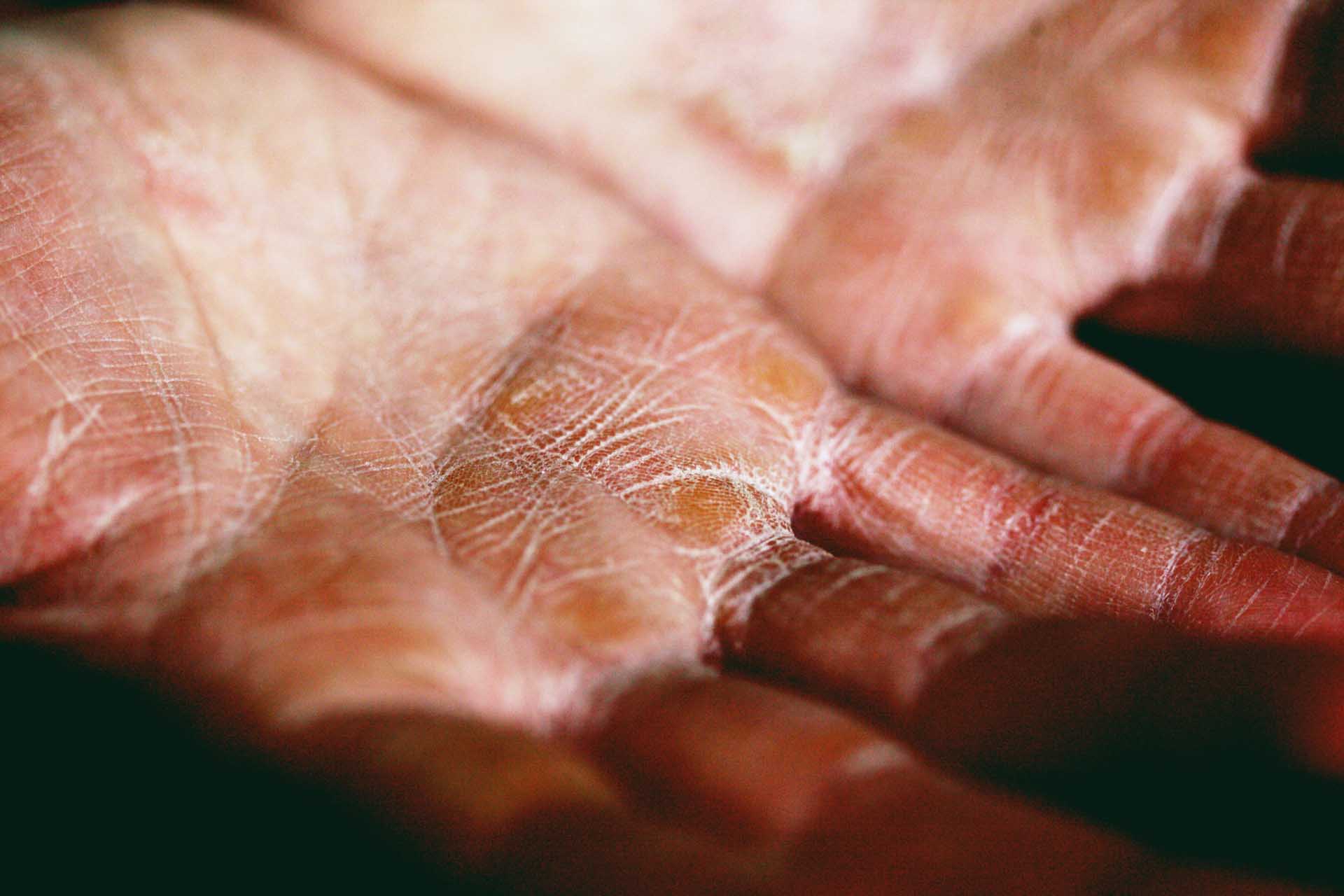


Expectations in Phase 1 for Tracking Progress with Eczema
In Phase 1 of your eczema treatment at East West Dermatology, tracking progress is an essential part of the healing journey. Since eczema is a complex condition that involves various internal and external factors, it’s important to have realistic expectations about progress during this phase. Here’s a breakdown of what you can expect and how we monitor improvements:
Eczema as an Immune Response
Eczema is often linked to an overactive immune response, meaning that the skin flare-ups you experience are a result of your immune system reacting to perceived threats or imbalances within the body. These triggers can come from various sources, including:
- Gut dysbiosis (imbalance of gut bacteria), which may trigger inflammation and immune overactivity.
- Food sensitivities or allergies, where certain foods can trigger the immune system and exacerbate eczema.
- Environmental toxins or mold exposure, which can provoke an immune response.
- Stress and emotional factors, which can dysregulate immune function.
Because eczema is deeply connected to the immune system, it can take time to calm the inflammatory processes, which is why individual progress may vary.
1. Early Expectations: The First Few Weeks
In the first few weeks, you may not see significant improvement in your skin condition right away, and this is normal. Phase 1 is largely focused on understanding the root causes of your eczema through functional lab testing (GI MAP, OAT) and beginning to address those underlying imbalances.
What to expect:
- Internal changes before external results: Early improvements may occur internally (e.g., digestion, energy levels, or sleep), but these may not immediately reflect in your skin condition.
- Possible detox reactions: Some patients experience a mild “detox” reaction when starting supplements and herbal medicines. This can include temporary worsening of symptoms such as fatigue, headaches, or even mild skin flares as the body eliminates pathogens or toxins. While these are signs the body is adjusting, they should be closely monitored.
2. Mid-Phase Expectations: 4-8 Weeks
By the 4-8 week mark, we should start to see signs of progress, though this can vary based on individual factors such as the severity of your eczema, the extent of immune involvement, and the degree of gut imbalance or dysbiosis.
What to expect:
- Reduced frequency of flare-ups: As the underlying triggers are addressed (e.g., removal of pathogens or rebalancing gut flora), you may notice a decrease in the frequency of eczema flare-ups.
- Less severe symptoms: The intensity of itching, redness, and inflammation may start to reduce as your body begins to calm its immune response.
- Improved gut health: For many patients, improved digestion, reduced bloating, and better regularity in bowel movements are early indicators that the gut is healing. Since gut health is so closely linked to eczema, this is a positive sign of progress.
- Gradual skin improvements: While not always immediate, your skin should begin showing signs of healing, such as less dryness, cracking, or scaling. Eczema symptoms typically improve in stages, with some areas of the body healing faster than others.
3. End of Phase 1: 2-3 Months
By the end of Phase 1 (typically around the 2-3 month mark), you should see clearer indications of how your body is responding to treatment. However, the rate of improvement varies greatly depending on individual circumstances.
What to expect:
- Visible reduction in flare-ups: Flare-ups should continue to become less frequent, less intense, and shorter in duration.
- Decreased reliance on topical treatments: As internal imbalances are addressed, your reliance on topical treatments like moisturizers may decrease because the underlying causes of your eczema are being treated.
- Improvement in overall health: By the end of this phase, you should notice improvements not just in your skin but in your overall well-being. This includes better digestion, higher energy levels, and less systemic inflammation.
Individual Progress: Why It Varies
Every person’s body responds to treatment at different rates due to several factors:
- Severity and Chronicity of Eczema:
- Mild or recent cases may show faster improvement, while chronic, long-term cases of eczema might take longer to resolve as the immune system and body take time to rebalance.
- Extent of Gut Imbalance:
- Severe gut dysbiosis or pathogen overgrowth may require more time to correct, particularly if there are multiple organisms or toxins involved.
- Patients with more complex imbalances, such as candida overgrowth or parasitic infections, might experience slower progress in the early stages while the body clears out harmful organisms.
- Environmental and Lifestyle Factors:
- Diet, stress management, and exposure to toxins or allergens play significant roles in how quickly eczema improves. Patients who are able to make dietary changes and reduce environmental triggers often see faster results.
- Genetics and Immune Sensitivity:
- Some patients have a genetic predisposition to more sensitive immune responses, meaning that their body may take longer to calm the inflammation that causes eczema. This is particularly true for patients with other allergic conditions, like asthma or hay fever.
- Adherence to the Treatment Plan:
- Consistency with taking prescribed supplements, following dietary recommendations, and using Chinese herbal medicine can significantly impact the speed of progress. Patients who follow their treatment plan closely tend to see faster improvements.